
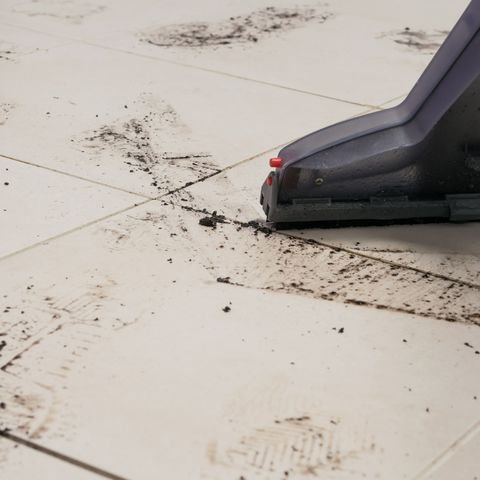
Tile floors are designed to handle daily activity, but constant movement can gradually change their appearance. Shoes, dust, grit, spills, and outdoor debris are repeatedly carried across flooring, creating a layer of buildup that can make once-bright surfaces look dull. Over time, this routine wear can also affect grout lines and textured tile surfaces, making them harder to maintain with ordinary sweeping and mopping. Regular tile floor cleaning can help address accumulated dirt before it becomes deeply embedded. Understanding how foot traffic affects flooring makes it easier for homeowners and property managers to recognize early signs of wear and choose appropriate maintenance methods.
Dirt and Grit Act like Fine Abrasives
One of the most common effects of foot traffic is the repeated movement of tiny abrasive particles across the floor. Sand, soil, and grit may enter a building on the soles of shoes and become trapped between tiles or within textured surfaces. When people walk over these particles, they can act like fine sandpaper. Although the effect may not be noticeable after a single day, repeated exposure can gradually contribute to a worn or less vibrant appearance. High-traffic areas such as entrances, hallways, kitchens, and living spaces are especially susceptible. Using entrance mats and sweeping regularly can reduce the amount of abrasive debris reaching the floor. Removing loose particles early is one of the simplest ways to reduce unnecessary surface wear.
High-Traffic Areas Lose Their Fresh Appearance First
Not every part of a tile floor experiences the same amount of use. Entryways may receive constant traffic, while corners or rooms used less frequently may remain relatively clean. This difference creates visible patterns over time. The busiest pathways can become darker, duller, or less uniform than surrounding areas. In commercial environments, these traffic lanes may become particularly obvious because numerous people follow the same routes throughout the day. Furniture placement can also influence traffic patterns in homes. Areas around kitchen islands, dining tables, sofas, and doorways often receive repeated movement. Regular maintenance in these locations can help prevent noticeable differences between heavily used and lightly used sections of flooring.
Grout Lines Often Show Wear More Quickly
Tile surfaces may remain relatively resistant to everyday use, but grout can present a different challenge. Its porous structure can allow dirt, oils, and moisture to accumulate more easily. As people walk across the floor, soil can become pressed into grout lines. Light-colored grout may gradually appear gray, brown, or uneven, even when the surrounding tile still looks reasonably clean. Mopping alone may not remove deeply settled material from grout joints. In some cases, repeated mopping can spread dirty water across the surface rather than addressing the buildup at its source. Targeted cleaning and appropriate maintenance methods can help restore a more consistent appearance.
Foot Traffic Spreads More Than Dirt
Shoes can carry a variety of substances indoors. Outdoor soil is only one concern. Small amounts of moisture, food particles, oils, and other residues can also transfer onto flooring. When these materials accumulate, they may create a film over the tile surface. This can make flooring appear cloudy or less reflective. In kitchens and other areas where grease is present, residue can be especially noticeable. The problem can become more complicated when cleaning products are used incorrectly. Excessive detergent may leave its own residue behind, attracting additional dirt. Using the correct amount of an appropriate product is therefore important for maintaining clean-looking floors.
Moisture Can Make Dirt More Noticeable
Foot traffic combined with moisture can accelerate the spread of soil. During rainy or wet weather, shoes may bring water and mud indoors. When moisture mixes with dirt, it can form a thin layer that settles into textured tile and grout. As the moisture dries, particles can remain behind. Repeated cycles of wetting and drying can make heavily used areas appear increasingly dirty. A practical response is to place absorbent mats near entrances and address wet or muddy footprints promptly. In busy homes and commercial properties, these simple measures can significantly reduce the amount of soil transferred throughout the building.
Different Tile Surfaces React Differently
The appearance of wear depends partly on the type and finish of the tile. Smooth, glossy tiles may show smudges, footprints, and residue more clearly, while textured or matte surfaces can hide some marks but hold more dirt within their surface patterns. Natural stone and other specialty materials may also require specific maintenance methods. Using a cleaning product or technique without considering the flooring material can potentially cause problems such as discoloration, residue, or surface damage. Before undertaking intensive cleaning, it is useful to identify the tile type and follow the manufacturer’s care recommendations. When the flooring is difficult to identify or heavily soiled, professional advice can help determine a suitable approach.
Routine Maintenance Helps Control Daily Buildup
A consistent maintenance routine can make a major difference. Dry sweeping or vacuuming helps remove loose grit before it gets walked across the floor. Damp mopping can then address lighter surface residue. However, frequency should depend on how much traffic the area receives. A busy household with children and pets may need more frequent maintenance than a lightly used room. Commercial spaces may require daily attention because of the volume of people moving through them. Cleaning immediately after spills is also important. Sticky substances can attract dirt and create areas that become noticeably darker with repeated foot traffic.
Professional Cleaning Can Restore a More Even Appearance
When routine maintenance is no longer enough, deeper cleaning may be appropriate. Professional cleaning methods can address accumulated soil on tile surfaces and within grout lines while taking the flooring material into consideration. This can be particularly helpful when floors have developed noticeable traffic lanes, dark grout, stubborn residue, or a generally dull appearance. Professional equipment can provide more thorough agitation and extraction than many household cleaning tools. The goal is not simply to make a floor look temporarily cleaner. Proper deep cleaning can remove layers of accumulated material that routine maintenance may leave behind, helping restore a more consistent appearance.
Conclusion
Everyday foot traffic may seem harmless, but the repeated movement of dirt, grit, moisture, oils, and other debris can gradually change the appearance of tile floors. High-use pathways often show the effects first, while grout lines can collect material and become noticeably darker. Fortunately, simple habits such as using entrance mats, removing loose debris, cleaning spills promptly, and maintaining a consistent cleaning schedule can help reduce buildup. When flooring has significant traffic patterns or deeply embedded dirt, a more thorough cleaning approach may be necessary. Aery’s Carpet & Tile Cleaning helps homeowners maintain cleaner-looking tile and grout by addressing accumulated soil with professional cleaning methods suited to the flooring.