
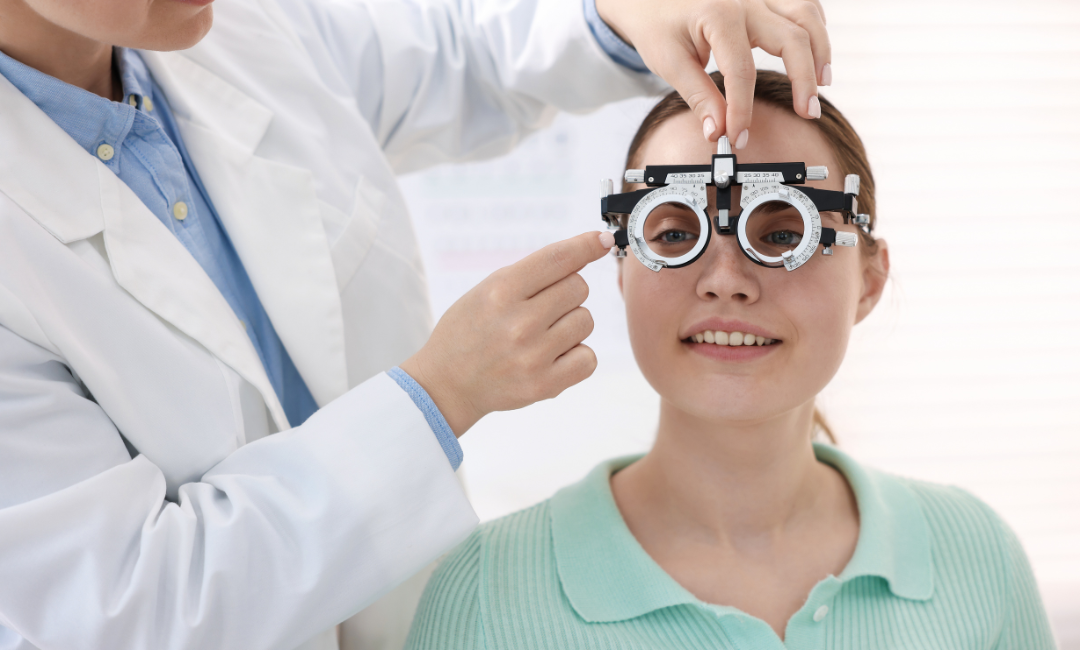
Vision can change gradually, and some changes are easier to notice than others. While many people pay attention to blurry vision during the day, nighttime vision problems may develop quietly. Difficulty seeing in low-light conditions, increased glare from headlights, or trouble adjusting between different levels of brightness can affect everyday activities. Because these changes may happen slowly, people sometimes assume they are simply part of getting older or becoming tired.
However, noticeable changes in nighttime vision are worth discussing with an eye care professional. Understanding what may be contributing to the problem can help you make informed decisions about your eye care and visual needs.
Recognizing Changes in Nighttime Vision
Night vision problems can take several forms. Some people may find it harder to see objects clearly when walking through poorly lit areas, while others may experience difficulty while driving after sunset. Bright headlights from approaching vehicles can sometimes appear unusually intense, making it uncomfortable to focus on the road.
Other signs may include halos around streetlights, increased sensitivity to glare, difficulty reading signs in dim conditions, or needing additional time for the eyes to adjust after entering a dark environment.
These experiences can vary from person to person. Not every nighttime vision issue points to an underlying eye condition, but recurring or worsening changes deserve attention, particularly when they begin affecting normal activities.
Why Low-Light Vision Can Feel Different
The eyes rely on several visual processes to work effectively in darker environments. When lighting decreases, the eyes need to adapt so that objects and surroundings remain visible. This process can become more challenging when there are changes in visual clarity or other aspects of eye function.
Age can also influence how people experience low-light environments. As people get older, they may notice that their eyes require more time to adjust to darkness or that bright lights create more glare than before.
Changes in an existing prescription can also affect how clearly someone sees at night. Even a relatively small change in vision can become more noticeable when there is less available light.
The Impact of Nighttime Glare
Glare is one of the common concerns people mention when discussing nighttime vision. Headlights, streetlights, illuminated signs, and reflections from wet roads can all make it more difficult to focus comfortably.
For drivers, this can be particularly frustrating. A person may have relatively clear daytime vision but still struggle when driving at night because of glare or reduced contrast. If this happens regularly, it can be helpful to describe these experiences during an eye appointment rather than simply adapting to them.
An eye care professional can assess your vision and discuss whether changes in prescription, eye health, or other factors could be contributing to your nighttime difficulties.
How Lifestyle May Influence Visual Comfort
Daily habits can also affect how comfortable your eyes feel. Spending extended periods looking at digital screens, working in poorly adjusted lighting, or moving frequently between bright and dark environments can contribute to visual fatigue.
Although lifestyle factors do not explain every change in nighttime vision, maintaining healthy visual habits can support overall comfort. Taking regular breaks from screens, using suitable lighting for reading and work, and allowing your eyes to rest can be useful parts of an everyday eye care routine.
It is also important to remember that lifestyle adjustments should not replace professional assessment when vision changes persist.
Why Regular Eye Examinations Matter
Regular eye examinations provide an opportunity to monitor changes that may not always be obvious during everyday activities. An eye examination is not simply about determining whether someone needs new glasses. Depending on the individual’s needs, an eye care professional may assess different aspects of vision and eye health.
Discussing specific concerns can make an appointment more informative. Instead of simply saying that your vision has become worse, consider describing exactly what you have noticed. For example, you might mention difficulty seeing while driving at night, increased glare from headlights, or problems adjusting when entering a dark room.
These details can help provide a clearer picture of your visual experience.
When Should You Discuss Night Vision Problems?
There is no need to wait until nighttime vision problems become severe before mentioning them. If you notice a consistent change, particularly one that affects driving, work, reading, or other daily activities, consider arranging an eye examination.
You should also mention whether the change appeared suddenly or gradually and whether it affects one or both eyes. Other accompanying vision changes may also be relevant.
For people searching for an Optometrist Whitby, discussing specific nighttime concerns during a professional eye examination can be a useful step toward understanding changing vision needs. A Whitby Optometrist can assess your vision and provide information based on your individual circumstances.
Taking Nighttime Vision Seriously
Nighttime vision is an important part of everyday visual function. Whether the concern involves glare, difficulty seeing in dim environments, or slower adjustment to darkness, persistent changes should not simply be ignored.
Being aware of your vision, attending regular eye examinations, and communicating noticeable changes with an eye care professional can help you stay informed about your eye health. Rather than assuming nighttime vision difficulties are unavoidable, taking the time to understand them can help you approach your ongoing eye care with greater awareness and confidence.