
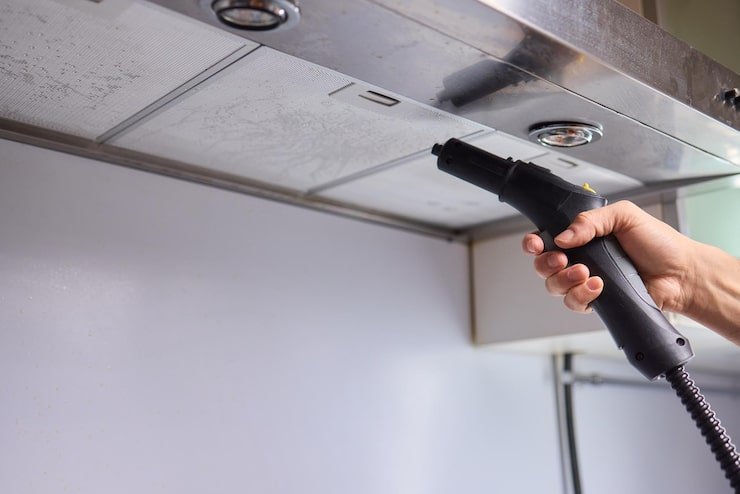
Commercial kitchens are busy environments where cooking produces heat, steam, smoke and grease throughout the day. While kitchen staff are usually focused on food preparation and keeping visible surfaces clean, grease around an extraction canopy can easily be overlooked. Arranging professional canopy cleaning in Glasgow can help businesses deal with accumulated grease and maintain a safer working environment. However, professional cleaning should be supported by everyday awareness from kitchen staff. Recognizing grease build-up early and reporting potential problems can help prevent larger ventilation issues, reduce unnecessary disruption and support effective kitchen maintenance.
Why Does Grease Build Up Around an Extraction Canopy?
Grease is a natural by-product of many cooking processes, particularly frying, grilling, roasting and deep-frying. As food is prepared at high temperatures, tiny grease particles become suspended in the air and are drawn towards the extraction system.
Some of these particles are captured by filters, while others can settle on surfaces around the canopy. Over time, repeated cooking can create a noticeable layer of sticky residue.
Busy commercial kitchens can experience this problem more quickly because extraction systems may operate for many hours each day. Without suitable cleaning and maintenance, small deposits can gradually become more difficult to remove.
Grease Can Be an Early Warning Sign
Visible grease around an extraction canopy should not simply be treated as a cosmetic issue. It can indicate that grease and other contaminants are also accumulating inside parts of the extraction system.
Kitchen staff is often the first people to notice changes because they work around the equipment every day. Greasy surfaces, unusual odors, smoke lingering in the kitchen or changes in airflow can all be useful warning signs.
Reporting these issues promptly allows management to investigate the cause before a minor maintenance concern develops into a larger operational problem.
How Grease Can Affect Kitchen Ventilation
An extraction system is designed to remove airborne heat, smoke, vapors and contaminants from the cooking area. When components become heavily contaminated, the system may not perform as efficiently as it should.
Restricted airflow can make a kitchen feel hotter and less comfortable for employees. Smoke and cooking odors may also remain in the working area for longer.
In a busy restaurant, reduced ventilation can affect the overall working environment. Staff may find it more difficult to work comfortably during periods of intense cooking, particularly when several appliances are operating simultaneously.
Keeping extraction equipment appropriately maintained helps support consistent ventilation performance.
Why Kitchen Staff Should Report Grease Build-Up
Kitchen employees do not need to diagnose an extraction problem themselves. Their role is to notice visible changes and communicate them to the appropriate person.
A simple reporting routine can make a significant difference. Staff should report excessive grease, damaged filters, unusual fan noises, unpleasant odors or noticeable changes in airflow.
Management can then determine whether routine cleaning is sufficient or whether professional inspection and cleaning are required.
This approach also creates greater awareness among employees. When staff understand why extraction systems matter, they are more likely to include them in everyday cleaning and maintenance routines rather than focusing only on countertops, floors and cooking equipment.
Daily Cleaning and Professional Maintenance Work Together
Daily cleaning is important, but it should not be considered a replacement for professional extraction system maintenance.
Kitchen teams can wipe accessible surfaces, clean filters according to the manufacturer’s guidance and remove visible residue from appropriate areas. These tasks help control surface contamination between professional services.
However, extraction systems contain components that may be difficult or impossible for ordinary kitchen staff to access safely. Ductwork, fans and internal sections can collect contamination away from view.
Professional cleaning provides a more thorough approach by addressing areas that cannot be effectively cleaned through normal daily routines. Combining regular staff cleaning with planned professional maintenance creates a more comprehensive system of care.
The Importance of Preventing Excessive Grease Accumulation
Prevention is generally easier than dealing with severe accumulation after it has developed. Commercial kitchens can reduce the problem by following consistent cleaning procedures and making sure extraction equipment is used correctly.
Filters should be checked and maintained regularly, while visible grease should not be allowed to remain on surrounding surfaces for extended periods. Staff should also avoid ignoring small changes simply because the extraction system still appears to be working.
Maintenance schedules should take into account the type of cooking, operating hours and level of kitchen use. A restaurant that carries out intensive frying and grilling every day may require a different maintenance approach from a lightly used commercial kitchen.
How Good Maintenance Supports Kitchen Safety
A well-maintained extraction system contributes to a cleaner and more organized kitchen environment. Removing accumulated grease helps reduce contamination within the system and supports effective ventilation.
Fire safety is another important consideration. Grease is combustible, so allowing deposits to accumulate within extraction equipment can create an unnecessary hazard. Appropriate cleaning and maintenance should therefore form part of a wider commercial kitchen safety strategy.
Businesses should also maintain clear records of cleaning and maintenance activities. Documentation can help management track when work was completed and identify when another inspection or service may be appropriate.
Training Staff to Recognize Common Problems
Staff training does not need to be complicated. Employees can be taught to recognize basic warning signs and understand the importance of reporting them.
A short checklist could include checking for visible grease, unusual smells, reduced airflow, and excessive smoke and unusual sounds from extraction equipment. Staff should also know who to contact when they identify a concern.
Creating this simple habit can help turn extraction maintenance into an everyday responsibility rather than something considered only when a serious problem occurs.
Conclusion
Grease around an extraction canopy should never be dismissed as ordinary kitchen mess. It can be an indication of wider contamination and may affect ventilation performance, workplace comfort and kitchen safety if left unmanaged. Regular staff cleaning, prompt reporting and planned professional maintenance can help commercial kitchens keep their extraction systems in better condition.
For businesses looking for specialist support with commercial ventilation and extraction cleaning, Pro Vent Compliance provides professional cleaning and compliance services designed to help businesses maintain safer and more effective ventilation systems.