
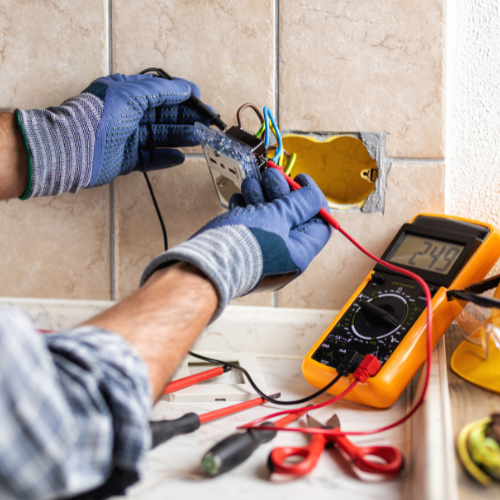
Electrical problems are not always caused by a single faulty component. Sometimes repeated repairs are symptoms of an aging or overloaded electrical system that can no longer support a property’s current demands. Knowing when to repair an individual issue and when to consider a broader upgrade can help prevent recurring failures, improve safety, and support future electrical needs. A qualified electrician Maryland can assess the condition of the system and determine whether a repair is sufficient or a larger upgrade is warranted.
When a Repair May Be Enough
Not every electrical problem requires an extensive upgrade. A localized issue with a clearly identifiable cause may only require a targeted repair.
For example, replacing a damaged switch, faulty outlet, worn connection, or defective circuit component may resolve the problem when the rest of the electrical system is in good condition.
A repair is generally more appropriate when:
- The problem is isolated
- The electrical panel has adequate capacity
- Wiring is in good condition
- Circuits are not regularly overloaded
- There are no repeated electrical faults
- Existing equipment can safely support current demand
The key is determining whether the problem is isolated or part of a larger pattern.
Repeated Electrical Problems Can Signal a Bigger Issue
Frequent circuit breaker trips, flickering lights, warm outlets, or recurring equipment failures should not simply be treated as individual inconveniences.
When the same type of problem continues after repairs, the underlying electrical infrastructure may need closer evaluation.
Watch for Recurring Warning Signs
Common indicators include:
- Breakers that trip repeatedly
- Lights that flicker when equipment starts
- Outlets that feel unusually warm
- Burning or unusual electrical odors
- Frequent use of extension cords
- Limited available circuits
- Older wiring that shows signs of deterioration
- Appliances that cannot operate simultaneously without problems
These signs do not automatically mean the entire system needs replacement, but they justify a professional inspection.
Increasing Electrical Demand Changes the Equation
Buildings often consume considerably more electricity than they did when their electrical systems were originally installed.
Modern properties may now support air conditioning, high-powered appliances, home offices, smart devices, electric water heating, workshops, or electric vehicle charging equipment.
An electrical system that was adequate years ago may have limited capacity today.
Before adding major equipment, an electrician should evaluate the existing load and determine whether the current panel, circuits, and wiring can safely handle the additional demand.
An Outdated Electrical Panel May Require Attention
The electrical panel is central to the property’s power distribution. If it lacks sufficient capacity, has limited spaces for additional circuits, or shows signs of deterioration, repeatedly repairing individual circuits may not be the most practical approach.
A panel upgrade may provide additional capacity and allow new circuits to be installed properly.
However, the panel should not be evaluated in isolation. The condition and capacity of the associated wiring, service equipment, grounding, and other components also matter.
Older Wiring Deserves Careful Evaluation
The age and condition of wiring are important considerations when deciding between repair and upgrade.
Older wiring may have limitations that become more significant as electrical demand increases. Damaged insulation, loose connections, improper modifications, or outdated installation methods can also create safety concerns.
Do Not Judge the System by Age Alone
An older electrical system is not automatically unsafe, just as a newer system is not automatically problem-free.
The more useful question is whether the system is in suitable condition and capable of safely supporting its present and anticipated loads.
A professional inspection can help identify whether specific components need repair or whether broader modernization would be more appropriate.
Renovations Often Expose Electrical Limitations
Home and commercial renovations frequently increase electrical requirements.
Adding rooms, upgrading kitchens, converting unfinished areas, installing new equipment, or changing the property’s use can introduce additional loads.
Trying to accommodate these changes through makeshift solutions can create unnecessary strain on existing circuits.
Planning electrical upgrades alongside renovation work is usually more practical than repeatedly modifying the system after construction is complete.
Consider Future Electrical Needs
An upgrade should not only solve today’s problem. It should also account for reasonable future requirements.
Before undertaking major electrical work, consider whether the property may soon need:
- Additional appliances
- New heating or cooling equipment
- EV charging
- Additional lighting
- Dedicated equipment circuits
- Home office infrastructure
- Renewable energy equipment
- Expanded commercial operations
Planning for foreseeable demand can reduce the need for another major electrical project shortly after the current one.
Repair vs. Upgrade: Questions to Ask
Before deciding how to proceed, property owners should ask:
- Is the problem isolated or recurring?
- How old and well-maintained is the electrical system?
- Does the existing panel have sufficient capacity?
- Are circuits regularly overloaded?
- Is the wiring suitable for current loads?
- Are there signs of heat damage or deterioration?
- Are major electrical additions planned?
- Would repairing one component leave other weaknesses unresolved?
These questions can help distinguish a genuine repair situation from a system that needs broader attention.
Why Professional Assessment Matters
Electrical upgrades should be based on the actual condition and requirements of the property rather than assumptions.
A qualified electrician Maryland can inspect the system, identify potential problems, evaluate electrical demand, and explain whether a targeted repair or larger upgrade makes sense.
This assessment is particularly important before installing high-demand equipment or making significant property modifications.
Conclusion
A simple repair can be the right solution when an electrical problem is isolated and the overall system remains capable of meeting current demands. However, repeated failures, inadequate capacity, deteriorating wiring, outdated panels, and increasing electrical loads can indicate that continued repairs are only addressing symptoms.
The best approach is to evaluate the entire electrical system before deciding. A properly planned upgrade can improve reliability, accommodate future demand, and reduce the cycle of recurring electrical problems while ensuring that new equipment is supported by suitable infrastructure.