
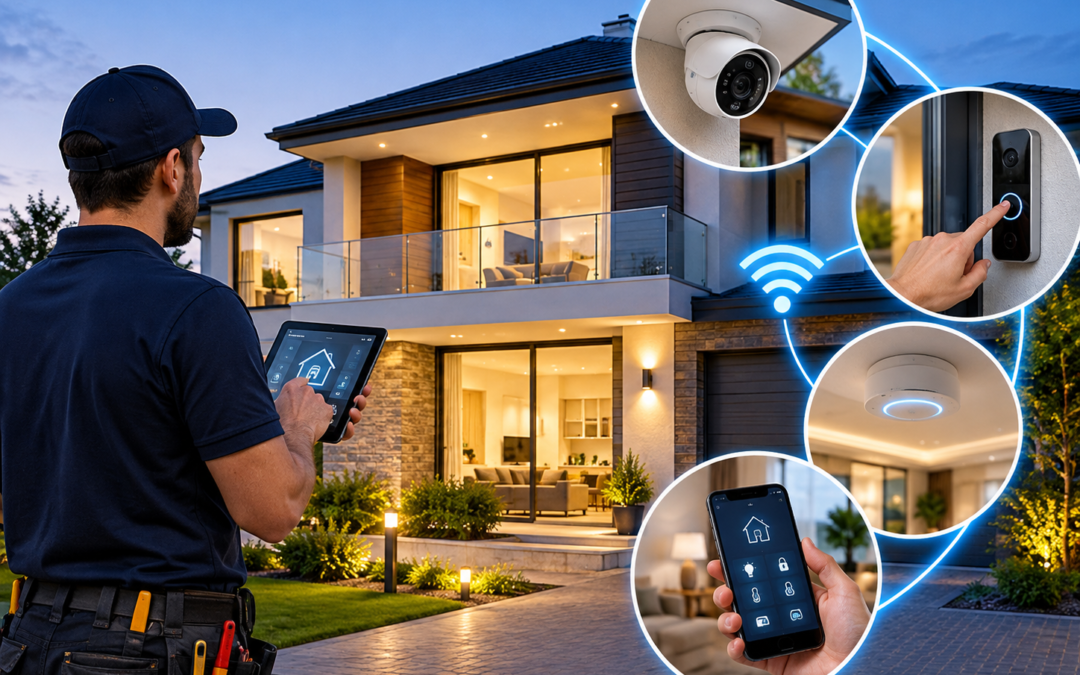
Smart home technology has moved beyond simple connected gadgets. Modern homeowners can use intelligent systems to manage lighting, security, climate control, entertainment, and other household functions from connected devices. However, having several smart products does not automatically create a reliable smart home. The quality of the installation, integration, network, and security setup can have a significant impact on how well the entire system performs.
A well-planned smart home should be convenient without becoming complicated. Understanding the essential elements of a successful installation can help homeowners make better decisions when upgrading their properties.
Careful Planning Before Installation
A reliable smart home begins with proper planning. Before purchasing devices, homeowners should consider which functions they actually want to automate and how different systems will work together.
Lighting, thermostats, cameras, door locks, sensors, entertainment systems, and other devices may use different communication standards. Planning the overall system in advance can reduce compatibility problems and make future upgrades easier.
The layout of the property also matters. Device placement, electrical requirements, Wi-Fi coverage, and access to power should all be considered before installation begins.
Reliable Network Connectivity
Smart devices depend heavily on communication between devices and control platforms. A weak or inconsistent network can cause delays, connection failures, or devices appearing offline.
A professional installation should therefore consider network coverage throughout the property. Larger homes may require additional networking equipment or strategically positioned access points to provide consistent connectivity.
A strong network is particularly important for systems such as security cameras, smart locks, video doorbells, and other devices that require dependable communication.
Proper Device Integration
A collection of independent smart devices can become difficult to manage if each one requires a separate application or control method. Integration can make the experience considerably simpler.
A properly designed system allows compatible devices to communicate through a central platform or coordinated control system. For example, a homeowner may be able to create routines that adjust lighting, temperature, and security settings based on a particular schedule or activity.
Compatibility should be checked before installation because not every smart product works with every platform.
Security Should Be Part of the Design
Convenience should never come at the expense of security. Connected devices can communicate through home networks, making cybersecurity an important part of smart home planning.
Homeowners should use strong, unique passwords, enable available security features, keep device software updated, and secure their wireless network. Devices that are no longer supported by their manufacturers may also create unnecessary security concerns.
Smart cameras, locks, and other security-related devices deserve particular attention because they can involve sensitive information or control access to the property.
Professional Electrical Work Matters
Some smart devices are simple plug-in products, while others require electrical connections, dedicated wiring, or integration with existing electrical systems. Installation should be carried out safely and according to applicable requirements.
Professional smart home installation services Murrieta CA can help homeowners address the technical aspects of integrating smart technology with an existing property. Proper installation can also reduce the likelihood of loose connections, unsuitable wiring, or poorly positioned equipment.
Electrical work should always be handled by appropriately qualified professionals rather than attempted as a DIY project when specialist knowledge is required.
Simple Controls and Automation
A smart home should make everyday tasks easier, not create another layer of complexity. User-friendly controls are therefore an important part of the installation.
Homeowners should be able to understand how to control essential systems without navigating complicated settings every time. Automated routines can also reduce the number of manual actions required.
For example, lighting can be scheduled around normal routines, thermostats can adjust according to occupancy patterns, and security notifications can be configured for specific events.
Planning for Future Upgrades
Technology changes quickly, so a smart home should not be designed only for today’s devices. Homeowners may want to add new sensors, lighting systems, security equipment, or automation features later.
Choosing compatible technology and allowing room for future expansion can make upgrades easier. A flexible installation can also prevent homeowners from having to replace an entire system simply because one component becomes outdated.
Regular Maintenance Keeps Systems Reliable
Smart home technology still requires maintenance. Firmware updates, network checks, battery replacements, and occasional troubleshooting can help keep devices operating properly.
Homeowners should also review connected devices periodically and remove equipment that is no longer being used. Keeping the system organised can improve both security and usability.
Conclusion
A successful smart home is about more than installing the latest connected devices. Reliability comes from thoughtful planning, dependable connectivity, compatible equipment, secure configurations, safe electrical work, and straightforward controls.
When these elements are considered together, smart technology can become a practical part of everyday living rather than a collection of complicated gadgets. Professional planning and installation can also help homeowners create a connected environment that is easier to use, maintain, and expand over time.