
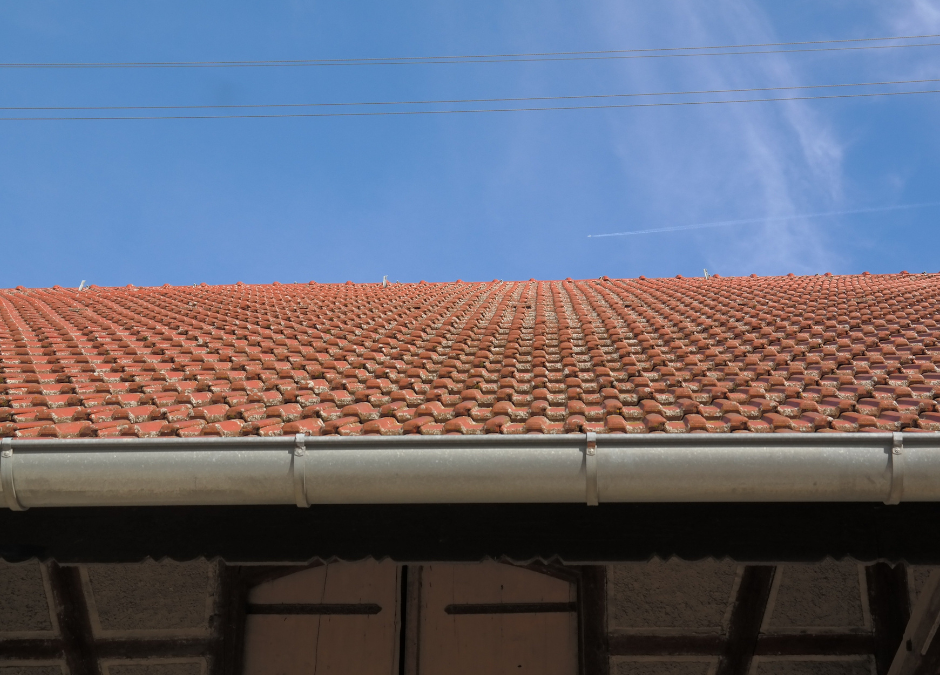
Homeowners looking for long-term solutions to clogged gutters often come across advanced surface-cover systems designed to prevent debris from entering the drainage channel. One of the most widely discussed styles in this category is the Gutter helmet system, which uses a curved surface design to guide rainwater into gutters while deflecting leaves, pine needles, and other debris away. These systems are especially popular in regions with heavy tree coverage and frequent seasonal storms, where traditional open gutters tend to clog quickly. Understanding how this type of protection works, along with its advantages and limitations, can help homeowners make more informed decisions about protecting their property from water damage.
How Gutter Helmet-Style Systems Work
Gutter helmet-style protection systems are built around a simple but effective principle: surface tension. The curved cover allows rainwater to flow over the edge and attach itself to the surface before being guided into a narrow opening that leads into the gutter. Meanwhile, larger debris such as leaves, twigs, and seed pods are unable to follow the same path and are naturally shed off the roof edge.
This design reduces the need for frequent gutter cleaning because most solid debris never enters the gutter system in the first place. However, the effectiveness of the system depends heavily on proper installation angle, roof pitch, and water flow conditions. When installed correctly, it creates a semi-sealed system that allows water management while minimizing blockages.
Benefits of Surface-Cover Gutter Protection
One of the biggest advantages of gutter helmet-style systems is reduced maintenance. Homeowners no longer need to climb ladders multiple times a year to remove leaves and debris, which significantly improves safety and convenience. This is particularly valuable for multi-story homes or properties surrounded by tall trees.
Another benefit is improved water management during heavy rainfall. The curved design helps control water flow and directs it efficiently into the gutter system, reducing the risk of overflow. This helps protect siding, fascia boards, landscaping, and foundation structures from water-related damage.
Additionally, these systems can contribute to longer gutter lifespan. By limiting debris accumulation and standing water, they reduce the risk of rust, corrosion, and structural strain on the gutter hangers.
Potential Limitations Homeowners Should Consider
While gutter helmet-style systems offer strong advantages, they are not completely maintenance-free. In some cases, small particles such as pine needles, roof granules, or pollen can still accumulate near the entry channel and may require occasional cleaning. During extremely heavy rainfall, water overflow can occur if the system is not properly sized for the roof’s drainage capacity.
Another consideration is installation complexity. These systems typically require professional installation to ensure correct alignment with the roof edge. Improper installation can reduce efficiency and lead to water bypassing the gutter system entirely.
Cost is also a factor. Compared to basic gutter screens or mesh systems, helmet-style protection tends to be more expensive due to its design, materials, and installation requirements. However, many homeowners view this as a long-term investment rather than a short-term expense.
Performance in Different Weather Conditions
The effectiveness of gutter protection systems varies depending on climate and environmental conditions. In areas with heavy rainfall, the system must be able to handle high water volume without overflow. In regions with snowfall and freezing temperatures, ice buildup can impact performance and may require additional consideration during installation.
For homes surrounded by dense trees, regular seasonal inspection is still recommended to ensure optimal performance. While debris is largely deflected, environmental factors such as wind direction and storm intensity can still influence how well the system operates.
Maintenance Expectations
Although these systems significantly reduce maintenance requirements, they do not eliminate them entirely. Homeowners should still perform occasional inspections to ensure water is flowing properly and that no unusual buildup is occurring at entry points. This helps maintain long-term efficiency and prevents unexpected drainage issues.
Compared to traditional open gutters, however, the maintenance burden is dramatically lower. Most homeowners find that routine checks once or twice a year are sufficient to keep the system functioning effectively.
Conclusion
Gutter helmet-style protection systems offer a modern approach to managing rainwater and preventing debris-related blockages. They provide strong benefits in terms of reduced maintenance, improved water flow, and long-term structural protection for residential properties. While they may require a higher upfront investment and professional installation, many homeowners find the long-term advantages worthwhile in reducing repair costs and improving safety. Companies like E-Z Gutter Guard Protection continue to deliver engineered solutions that help homeowners protect their roofs and drainage systems with reliable, long-lasting performance.