
Introduction
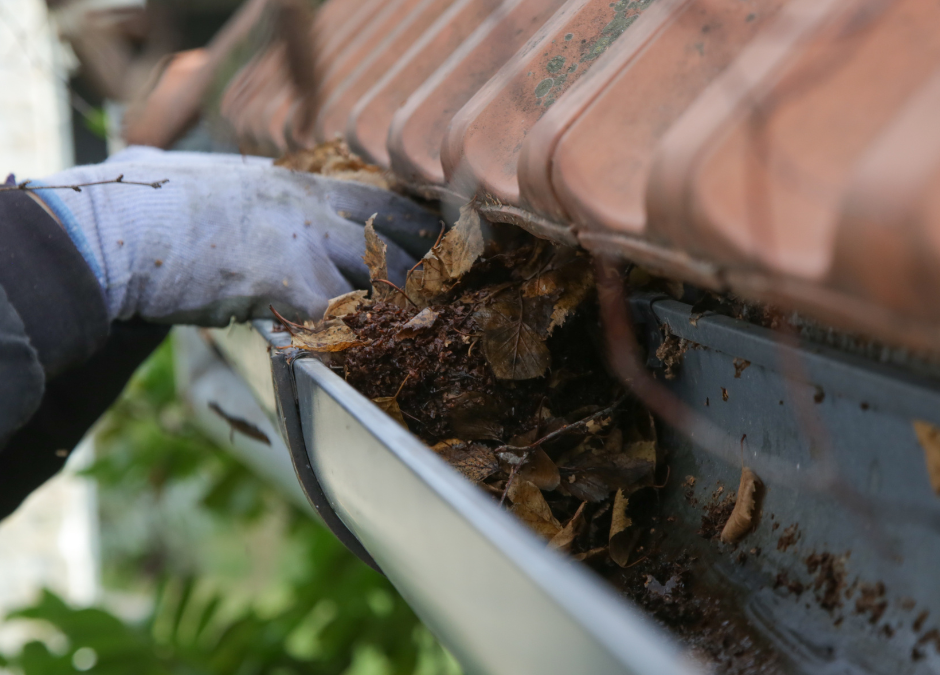
Keeping gutters clear may seem like a small part of home maintenance, but properly functioning gutters play an important role in protecting a property. Leaves, twigs, pine needles, dirt, and other debris can accumulate inside open gutters, restricting water flow and creating conditions that may lead to overflowing. For homeowners looking for a practical way to reduce debris buildup, gutter protection systems can be worth considering. Among the available options, Aluminum Gutter Guards offer a combination of durability, lightweight construction, and reliable performance that can suit many residential properties.
Why Gutter Protection Matters
Gutters are designed to collect rainwater from the roof and direct it away from the foundation, siding, landscaping, and other vulnerable areas around the home. When debris blocks the channels, water may overflow during heavy rainfall and potentially contribute to moisture-related problems.
Regular gutter cleaning can help maintain proper drainage, but it can also be time-consuming and difficult, particularly for homes with multiple stories or properties surrounded by mature trees. A suitable gutter protection system can help limit the amount of debris entering the gutter while allowing rainwater to reach the drainage channel.
Understanding Aluminum as a Material
Aluminum is widely used in home improvement products because it combines strength with relatively low weight. For gutter protection, this can make installation and handling more manageable while providing a durable barrier over the gutter opening.
Another advantage is aluminum’s resistance to rust. Unlike ordinary steel, aluminum does not develop conventional red rust when exposed to moisture. Depending on the product’s design and finish, it can provide long-term protection against outdoor conditions while maintaining a clean appearance.
However, not every aluminum guard has the same construction or performance. Homeowners should evaluate the thickness, coating, design, fastening method, and overall quality before making a purchase.
Consider Your Local Environment
The best gutter protection solution depends partly on the surroundings of the property. A home beneath large deciduous trees may collect substantial amounts of leaves, while a property surrounded by evergreens may experience a different type of debris challenge.
Weather conditions also matter. Areas that receive intense rainfall require a system capable of handling significant water flow without causing water to spill over the front of the gutter. Homes in regions with snow and ice should also consider how the guard is designed to perform under seasonal conditions.
Look at Water Flow and Debris Management
A gutter guard should do more than keep large leaves out. Its design should allow rainwater to enter efficiently while reducing the amount of unwanted material that reaches the gutter.
Different designs use screens, perforated surfaces, mesh, or other configurations to manage debris and water. Homeowners should consider the type of debris around their property rather than assuming that one design will work equally well in every situation.
Installation Is an Important Factor
Even a high-quality gutter guard may not perform properly if it is installed incorrectly. The condition of the existing gutters, roof edge, fascia, and supporting structures should be considered before installation.
Some systems are designed for straightforward installation, while others may require professional fitting or adjustments. Proper alignment and secure attachment can help prevent movement, gaps, or areas where debris and water may behave unexpectedly.
Maintenance Still Matters
Gutter protection can reduce the amount of debris entering a gutter, but it does not necessarily eliminate maintenance altogether. Small particles, seeds, pollen, and other materials can collect on or around a guard over time.
Homeowners should periodically inspect their gutters and protection system, particularly after severe weather or during periods of heavy seasonal debris. Light cleaning may be necessary to keep the surface and water-entry areas functioning effectively.
How to Choose the Right Product
Before purchasing a gutter protection system, homeowners should consider gutter size, roof design, local weather, surrounding vegetation, installation requirements, material quality, and warranty coverage. It is also useful to compare different designs rather than choosing solely according to price.
A product that matches the property’s specific conditions can provide better long-term value than a cheaper option that is poorly suited to the environment.
Conclusion
Choosing the right gutter protection system is ultimately about finding a balance between durability, water management, debris control, installation requirements, and ongoing maintenance. Homeowners who understand these factors can make more informed decisions and potentially spend less time dealing with clogged or overflowing gutters. For those exploring dependable gutter-protection solutions, E-Z Gutter Guard Protection provides a range of products designed for different gutter and debris conditions, helping homeowners protect an important part of their property’s drainage system.