
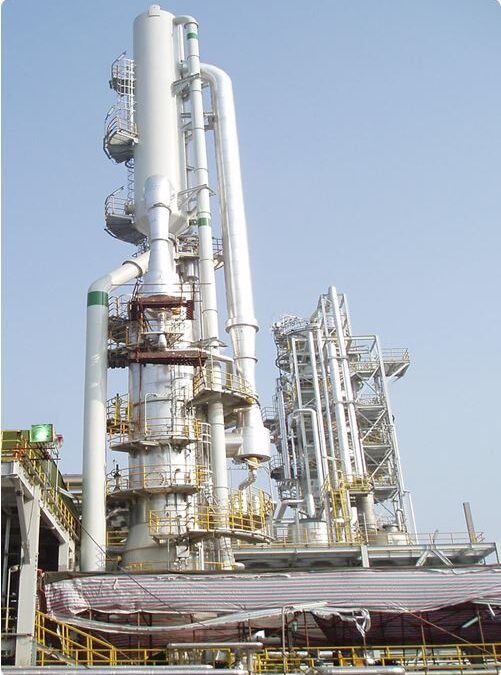
Industrial facilities require dependable cooling systems to maintain product quality, process efficiency, and operational reliability. Among the various cooling technologies available today, vacuum chillers have emerged as an effective solution for large-scale process cooling applications. By utilizing vacuum technology and flash evaporation principles, these systems provide chilled water without relying on conventional refrigerants or compressor-based refrigeration equipment. As a recognized leader in vacuum technology solutions, Croll Reynolds has helped industries worldwide implement advanced cooling systems designed to meet demanding operational requirements. Understanding how steam jet vacuum refrigeration works can help engineers, plant managers, and decision-makers identify the right cooling approach for their facilities.
Understanding Steam Jet Vacuum Refrigeration
Steam jet vacuum refrigeration is based on a simple yet powerful thermodynamic principle. When pressure is reduced, the boiling point of water decreases significantly. Under a deep vacuum, water can evaporate at temperatures far below its normal boiling point.
This controlled evaporation process, commonly known as flash cooling, removes heat from the remaining water. As a result, the temperature of the water decreases without requiring traditional refrigeration cycles.
The vacuum is generated using steam ejectors that utilize high-pressure motive steam to create low-pressure conditions within the cooling chambers. This approach eliminates the need for large mechanical compressors while providing reliable cooling performance for industrial processes.
Key Components of a Steam Jet Vacuum Cooling System
A steam jet vacuum refrigeration system consists of several essential components working together to achieve efficient cooling:
Multi-Stage Steam Ejectors
Steam ejectors create and maintain the vacuum required for the cooling process. Multiple stages are often used to achieve deeper vacuum levels and improve overall system performance.
Cooling Chambers
The cooling chambers provide the environment where flash evaporation occurs. Water passes through these chambers and experiences progressive cooling as pressure decreases.
Internal Weirs
Internal weirs help regulate water flow between cooling stages. This controlled movement ensures consistent cooling performance and efficient heat removal.
Condensers
Condensers remove vapor generated during the cooling process. Efficient condensation helps maintain stable vacuum conditions throughout system operation.
Control and Instrumentation Systems
Modern systems incorporate monitoring and control equipment that allows operators to maintain desired temperatures, optimize performance, and ensure reliable operation.
How the Cooling Process Works
The cooling cycle begins when water enters the first chamber operating under vacuum conditions. Due to the reduced pressure, a portion of the water instantly evaporates. The energy required for this evaporation is extracted from the remaining water, causing its temperature to drop.
The partially cooled water then moves to subsequent chambers where even lower pressures may be maintained. Each stage contributes additional cooling until the target temperature is achieved.
Meanwhile, steam ejectors continuously remove air and vapor from the system to sustain the required vacuum levels. Condensers capture and condense the vapor, allowing the process to continue efficiently.
This staged cooling approach enables large volumes of water to be cooled while maintaining operational stability.
Benefits of Steam Jet Vacuum Cooling Systems
Chemical-Free Operation
One of the most significant advantages of this technology is the absence of chemical refrigerants. This reduces environmental concerns associated with refrigerant handling, leakage, and regulatory compliance.
Minimal Moving Parts
Steam ejectors contain no rotating mechanical components. Fewer moving parts translate into reduced wear, lower maintenance requirements, and improved reliability.
Lower Maintenance Requirements
Without compressors, refrigerant circuits, and complex mechanical assemblies, maintenance activities are generally simpler and less frequent.
Long Equipment Life
The simplicity of the design contributes to long service life. Properly maintained systems can operate effectively for many years in demanding industrial environments.
Operational Reliability
These systems are well suited for continuous industrial processes where stable cooling performance is essential for productivity and product quality.
Flexibility in Construction Materials
Systems can be fabricated using carbon steel, stainless steel, specialty alloys, and high-alloy materials to accommodate challenging process conditions.
Industrial Applications
Steam jet vacuum refrigeration is used across a wide range of industries due to its ability to provide dependable cooling for large process loads.
Chemical Manufacturing
Chemical plants often require temperature control for reaction processes, product cooling, crystallization, and solvent recovery operations.
Pharmaceutical Production
Many pharmaceutical processes demand precise temperature management to maintain product integrity and process consistency.
Food and Beverage Processing
Cooling applications in food production include product stabilization, ingredient processing, evaporation systems, and temperature-sensitive manufacturing operations.
Flavors and Fragrances
Manufacturers in this sector rely on controlled cooling during extraction, concentration, and refining processes.
Pulp and Paper Facilities
Paper production frequently involves cooling requirements for process water, evaporation systems, and product treatment operations.
Agricultural and Produce Processing
Fresh produce, grain, and other agricultural products often require rapid cooling to preserve quality and extend shelf life.
Factors to Consider When Selecting a System
Before implementing a steam jet vacuum refrigeration system, facilities should evaluate several important factors.
Cooling Capacity Requirements
Understanding the volume of water that must be cooled and the desired outlet temperature is essential for proper system sizing.
Available Steam Supply
Since steam ejectors rely on motive steam, facilities should assess steam availability and operating costs.
Process Conditions
Water quality, operating temperatures, environmental conditions, and process requirements can influence system design.
Material Compatibility
Selecting appropriate construction materials helps ensure long-term durability and corrosion resistance.
Maintenance Resources
Although maintenance requirements are generally low, facilities should establish inspection and monitoring procedures to maximize system performance.
Future Outlook for Industrial Cooling
As industries continue seeking sustainable and reliable cooling technologies, steam jet vacuum refrigeration remains an attractive option. The elimination of conventional refrigerants, combined with proven operational reliability, positions this technology as a valuable solution for modern process cooling applications.
Advancements in system design, control technologies, and energy optimization are expected to further improve performance and expand adoption across multiple industrial sectors.
Conclusion
For facilities seeking dependable, large-scale process cooling, Vacuum Chillers provide a practical alternative to conventional refrigeration systems. Their ability to deliver chemical-free cooling, operate with minimal moving parts, and support demanding industrial processes makes them a valuable technology across numerous industries.
With decades of expertise in vacuum engineering and industrial process solutions, Croll Reynolds continues to support organizations looking for efficient and reliable cooling technologies. As industrial operations prioritize sustainability, reliability, and operational efficiency, Vacuum Chillers remain an important component of advanced process cooling strategies.