
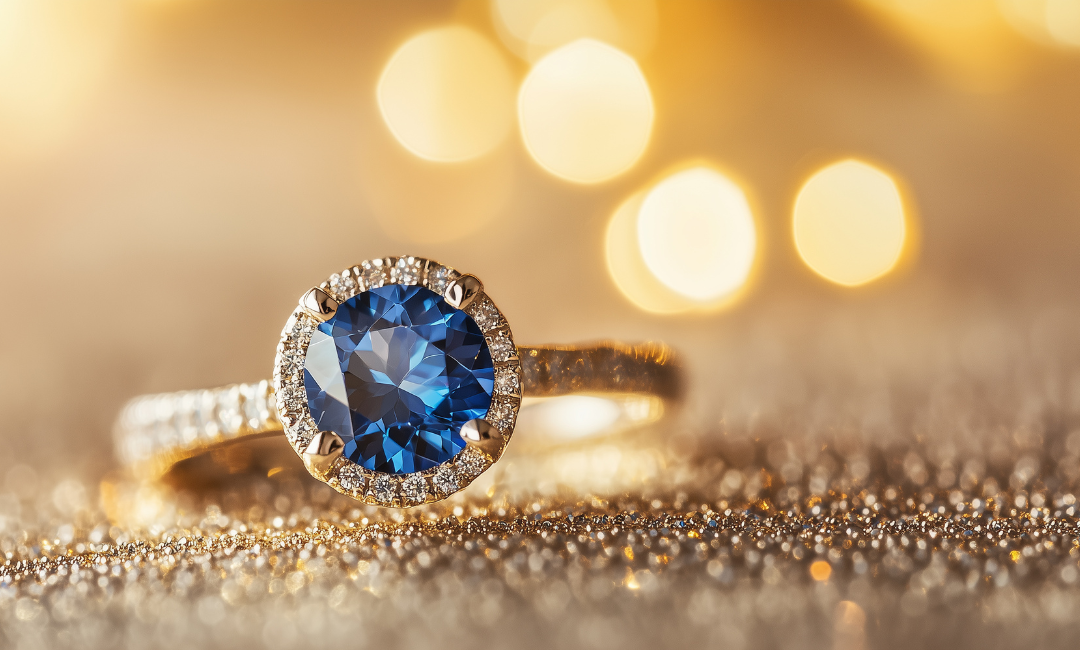
Colored gemstones have become an increasingly interesting choice for people seeking an alternative to traditional colorless diamond engagement rings. Among these options, teal sapphires offer a distinctive blend of blue and green tones. When combined with an emerald cut, the result can be particularly striking. Choosing a teal emerald cut sapphire requires attention to color, proportions, clarity, setting, and personal preference.
Understanding Teal Sapphire Color
Teal sapphires can display a mixture of blue and green, with the balance between these colors varying from stone to stone. Some may appear predominantly blue with green undertones, while others can show stronger green characteristics.
Lighting conditions can also influence how the color is perceived. For this reason, viewing a gemstone under different lighting conditions can provide a better understanding of its appearance.
Why Emerald Cut Is Distinctive
The emerald cut is recognized for its elongated rectangular shape and step-cut facets. Unlike brilliant cuts, which are designed to maximize sparkle through numerous facets, step cuts emphasize clarity, geometry, and broad flashes of light.
This makes the emerald cut particularly suitable for people who appreciate clean lines and an understated form of brilliance.
Look at Color Before Size
When choosing a colored gemstone, size should not necessarily be the first consideration. Color quality and visual appeal can have a greater influence on how the stone looks when worn.
A smaller stone with an appealing teal color may have more character than a larger stone whose color is less attractive to the wearer.
Consider Clarity and Inclusions
Natural sapphires can contain internal characteristics. Some inclusions are visible, while others may have little effect on the overall appearance.
Because emerald cuts have larger, more open facets, clarity can be particularly noticeable. Examining the stone carefully can help determine whether its internal characteristics affect the look you want.
Think About the Setting
The setting should support both the gemstone and the overall bridal design. A simple solitaire setting can allow the teal sapphire to remain the primary visual focus.
Accent stones can add additional sparkle, while a bezel or partial bezel can emphasize the clean geometric outline of the emerald cut.
Choosing the Right Metal
Metal color can influence how a teal sapphire is perceived. White metals may create a crisp contrast, while yellow gold can bring out warmer aspects of the stone. Rose gold can provide another contrasting combination.
There is no single correct pairing; the choice depends on the desired aesthetic and existing jewelry.
Consider the Overall Ring Design
A unique gemstone deserves a setting that complements rather than overwhelms it. Consider the band width, shoulder design, accent stones, and overall proportions.
For a more individual bridal style, unusual combinations of gemstone color, metal, and shape can create a ring that feels personal rather than conventional.
Selecting With Confidence
For couples exploring alternative gemstone engagement rings, Midwinter Co. offers a design-focused approach to distinctive bridal jewelry and unusual gemstones.
The process should begin with identifying what matters most: color, shape, size, setting, or overall style. From there, comparing several stones can make the final decision more informed.
Final Thoughts
Choosing a teal emerald cut sapphire involves more than selecting a beautiful color. Color balance, clarity, cut proportions, setting, metal, and personal style all influence the finished ring. By evaluating these elements together, couples can create a bridal design that combines the structured beauty of an emerald cut with the distinctive character of teal sapphire.