
A broken driver side mirror can create an immediate visibility problem, but damage to the mirror does not always mean the complete assembly needs to be replaced. Many modern vehicle mirrors contain several separate components, including glass, housing, covers, motors, wiring, heating elements, and folding mechanisms. If only one of these parts has been damaged, repairing or replacing the affected component may restore the mirror without requiring a complete replacement. The right solution depends on the type and extent of damage, as well as the condition of the mounting area. For drivers considering Driver Side Mirror Repair, understanding which problems can be addressed individually can help avoid unnecessary replacement work. A proper inspection can identify the damaged components and establish whether the existing mirror assembly can still be safely restored.

Start With the Type of Damage
The first step is to identify exactly what has been damaged. A mirror may have cracked glass, a broken cover, damaged housing, a faulty adjustment motor, disconnected wiring, or problems with the folding mechanism. These issues can occur separately or together following an impact. A visual inspection can provide an initial indication, but some faults may only become apparent when the mirror’s functions are tested. For example, the glass may look intact while the electric adjustment no longer works. Similarly, a damaged housing may hide problems with the mounting points. Identifying the affected components helps determine whether a targeted repair is practical or whether the complete assembly has been compromised.
When Mirror Glass Can Be Replaced
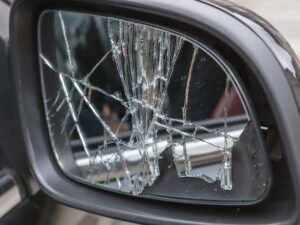
Broken or cracked mirror glass is one of the situations where a complete mirror replacement may not be necessary. If the housing, mounting points, adjustment mechanism, and other components remain secure and functional, the damaged glass can potentially be replaced separately. The replacement needs to match the vehicle’s mirror design and any features incorporated into the glass. Some vehicles have heated glass or other integrated functions that need to be considered before the replacement component is selected. Replacing only the damaged glass can restore the driver’s view while allowing the existing mirror assembly to remain in place. A technician can inspect the assembly to determine whether the damage is isolated to the reflective surface.
Damaged Mirror Covers
The outer cover protects the mirror assembly and contributes to its appearance. Minor impact damage may crack, scratch, or dislodge the cover without affecting the glass or internal mechanism. Depending on the vehicle, the cover may be replaceable separately. This means that damage to the visible outer section does not automatically require a new complete mirror. However, the condition of the clips, housing, and mounting points should also be checked. If the cover damage has exposed internal components or caused the housing itself to break, additional work may be necessary. Assessing the entire assembly helps determine whether replacing the cover alone will provide a secure and suitable result.
When the Housing Is Damaged
The mirror housing supports and protects important internal components. A minor crack or broken section may be addressed by replacing the affected housing or related component, depending on the vehicle design. More severe housing damage can affect the position of the glass or leave the internal mechanism exposed. If the housing no longer provides adequate support, simply replacing the glass may not be enough. The mounting area should also be inspected after an impact because the force that damaged the housing may have affected the attachment points. If those points remain secure, the repair may be limited to the mirror assembly. If they are damaged, further bodywork may be required.
Electric Adjustment Problems
Many driver side mirrors use electric motors to adjust the glass from inside the vehicle. If the mirror no longer moves correctly after an impact, the motor, wiring, switch, or internal mechanism may require attention. Testing the adjustment function can help establish whether the electrical system is still operating. A faulty motor does not necessarily mean that the complete mirror assembly needs replacing if the relevant component can be addressed separately. However, the replacement part must be compatible with the vehicle and its existing electrical system. Checking the electrical operation before ordering parts can prevent an incorrect component from being installed and help determine the appropriate repair route.
Heated Mirror Damage
Heated mirror glass can help maintain visibility during cold or damp conditions. If the reflective glass is damaged, the heating function should also be considered before replacement. The replacement glass may need to include the appropriate heating element and connections to maintain the vehicle’s original functionality. Installing a basic replacement without checking the specification could result in a mirror that works visually but no longer provides its original heated function. A technician can identify whether the existing wiring and connections remain usable and select a compatible component when required. This is particularly important for vehicles where heated mirrors form part of the original equipment.
Folding Mechanism Problems
Some driver side mirrors can be folded manually, while others use an electric folding mechanism. An impact can interfere with the folding function even when the mirror glass remains usable. A mirror that feels loose, refuses to fold, or stops in an unusual position should be inspected before any replacement decision is made. The problem may involve the folding mechanism, housing, motor, or mounting structure. If the rest of the mirror remains secure and functional, the affected component may be repairable or replaceable independently. If several internal components have been damaged, however, replacing the complete assembly may provide a more appropriate solution.
Wiring and Indicators
Modern side mirrors can contain wiring for several functions, including adjustment, heating, folding, and integrated indicators. An impact can loosen or damage these connections. Electrical problems should therefore be checked alongside visible physical damage. An indicator that stops working after a collision may point to a damaged component or connection rather than a problem with the entire mirror. The same applies to electric adjustment or heating. Identifying the specific electrical fault can help prevent unnecessary replacement of functioning parts. Vehicle-specific wiring and connectors should also be considered when selecting replacement components because mirror systems can vary between models and production years.
When a Full Replacement Is Necessary
Although individual repairs can avoid complete replacement in some cases, there are situations where replacing the full mirror assembly may be more appropriate. Severe impacts can damage the housing, glass, motor, wiring, folding mechanism, and mounting structure at the same time. If the assembly can no longer be secured properly or several essential components have failed, replacing the complete unit may provide a more reliable solution. The condition of the vehicle door and mounting points is also important. If the attachment area has been distorted or damaged, the mirror cannot simply be fitted without addressing the underlying problem. A full inspection helps establish whether the damage is limited to the mirror or extends into the surrounding bodywork.
Repair Can Be More Targeted
A complete mirror assembly contains several components that may remain perfectly functional after an accident. Replacing everything when only one part has failed can therefore be unnecessary. Car side mirror repair can involve addressing a specific component while retaining the rest of the existing assembly. This approach is particularly relevant when the housing, mounting points, and internal mechanism remain in good condition. The repair should always be based on the actual condition of the vehicle rather than the appearance of the damage alone. A professional assessment can identify which parts require attention and which can safely remain unchanged.
Mobile Repair Options
A damaged driver side mirror can make travelling to a workshop inconvenient, particularly when visibility has been reduced or the mirror is unstable. Mobile services can provide an alternative by allowing suitable mirror work to be carried out at a customer’s home, workplace, or another agreed location. Depending on the vehicle and type of damage, a technician may be able to inspect the assembly and replace the affected component on site. This can reduce the disruption associated with arranging transport to a workshop. However, not every repair is suitable for mobile service, particularly where significant bodywork or extensive structural damage is involved. The condition of the vehicle should therefore be assessed before the repair method is selected.
What to Check Before Repair
Before arranging a repair, it is useful to provide accurate information about the vehicle and the mirror. The make, model, year, side of the vehicle, and relevant features such as electric adjustment, heating, folding, or an integrated indicator can help identify the correct components. A description of how the damage occurred may also provide useful context. For example, a mirror damaged in a collision may require a wider inspection than glass that has simply cracked. Photographs can help communicate visible damage, although an in-person assessment may still be required to identify hidden problems. Accurate information can make it easier to determine whether a targeted repair or complete replacement is appropriate.
Final Thoughts
A broken driver side mirror does not always require replacement of the entire assembly. Cracked glass, damaged covers, certain housing problems, faulty motors, wiring issues, and folding mechanisms may sometimes be addressed individually when the remaining components are in good condition. The mounting points and surrounding door area should also be inspected to make sure the mirror can be securely restored. Choosing the correct repair depends on the vehicle, the type of mirror, its features, and the extent of the damage. A professional assessment can help identify the affected components and avoid unnecessary replacement. Car Side Mirrors provides mobile mirror repair and replacement services for vehicle owners dealing with different types of mirror damage.