
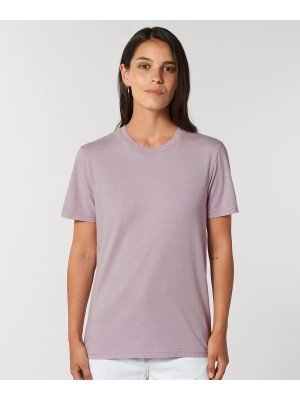
Buying plain t-shirts wholesale can help retailers, clothing brands, printers, and event businesses maintain a reliable stock of versatile garments. However, ordering in large quantities also creates risks. A small mistake in fabric selection, sizing, quality assessment, or supplier evaluation can become a costly problem when multiplied across hundreds of garments.
The biggest purchasing mistakes are often avoidable. By understanding what to check before placing an order, buyers can reduce waste, prevent customer complaints, and make better long-term sourcing decisions.
Choosing Price Over Product Quality
One of the most common mistakes is automatically selecting the cheapest option.
Price is important when purchasing in volume, but a low unit cost does not necessarily represent better value. An inexpensive T-shirt may have thinner fabric, inconsistent measurements, weaker seams, or higher shrinkage.
Instead of comparing price alone, evaluate the complete product specification. Consider fabric composition, GSM, construction, sizing, finishing, and expected durability alongside the quoted price.
A slightly higher purchase price can be worthwhile if the garment performs better and generates fewer returns or complaints.
Skipping the Sample Stage
Ordering a large quantity without examining a physical sample is another avoidable mistake.
Product photographs and descriptions cannot fully communicate fabric feel, stitching quality, fit, opacity, or construction. Even detailed specifications may not reveal how a garment behaves after washing.
Before committing to a substantial order, request samples and inspect them carefully.
What to Test
Check the sample for:
- Fabric weight and texture
- Stitching and seam quality
- Neckline recovery
- Size measurements
- Colour consistency
- Fabric opacity
- Loose threads
- Shrinkage after washing
Testing several samples can also help determine whether quality is consistent rather than relying on a single garment.
Assuming All Cotton T-Shirts Are the Same
“Cotton T-shirt” describes a broad category rather than a specific quality level.
Different cotton fabrics can vary considerably in softness, durability, thickness, construction, and finishing. Blended fabrics can also offer different performance characteristics depending on how they are manufactured.
Buyers should therefore look beyond the word “cotton.” Ask for the exact fibre composition and fabric specifications.
The intended use should also influence the choice. A lightweight T-shirt for summer wear may require different characteristics from a heavier garment designed for streetwear or repeated printing.
Ignoring GSM
GSM, or grams per square metre, is an important specification that buyers sometimes overlook.
It provides an indication of fabric weight and can help buyers compare garments more objectively. However, higher GSM should not automatically be interpreted as superior quality.
A heavier fabric may offer a more substantial feel, while a lighter fabric may be more appropriate for certain climates and applications.
The key is choosing the appropriate GSM for the product’s intended purpose and ensuring that the delivered garments are reasonably consistent with the stated specification.
Failing to Check Measurements
Size labels are not universal measurements.
A medium from one manufacturer can differ significantly from a medium supplied by another. This can create problems for retailers, especially when customers expect familiar sizing.
Before ordering plain t shirts wholesale london uk, request a detailed measurement chart and compare it against physical samples.
Measure important areas such as:
- Chest width
- Body length
- Shoulder width
- Sleeve length
- Neck opening
Do not assume that a supplier’s stated measurements will automatically match the finished garments. Physical verification is particularly important for larger orders.
Overlooking Shrinkage
A T-shirt that looks perfect before washing may not maintain the same dimensions afterward.
Shrinkage can affect body length, chest width, sleeves, and neckline shape. This can result in garments becoming uncomfortable or unsuitable for customers.
If garments are intended for retail or custom printing, wash-test samples according to the recommended care instructions. Record measurements before and after washing to identify significant changes.
Understanding expected shrinkage before ordering helps buyers select products that better match their customers’ expectations.
Choosing a Supplier Without Checking Consistency
Finding a supplier with an attractive product is only the first step. Consistency is equally important.
A supplier may provide an excellent sample but deliver a bulk order that differs in fabric weight, colour, measurements, or construction. This is why buyers should ask how quality control is managed during production.
When evaluating plain t shirts suppliers uk, consider whether the supplier can maintain consistent specifications across larger orders and repeat purchases.
Ask about quality-control procedures, batch consistency, defective items, and how discrepancies are handled.
Ignoring Colour Consistency
Colour variation can become a significant issue when buying garments in volume.
A buyer may receive several cartons containing slightly different shades of the same colour. This becomes particularly noticeable when products are displayed together or used for a single branded collection.
Ask suppliers how colour standards are established and maintained between production batches. For repeat orders, keeping an approved sample or reference specification can also make future comparisons easier.
Ordering the Wrong Size Mix
Buying too many of one size and too few of another can create unnecessary inventory problems.
The ideal size distribution depends on the target audience, sales history, product type, and intended market. Businesses placing their first order may not have enough historical data, so a conservative initial quantity can reduce the risk of excess stock.
Review existing sales information where available and monitor which sizes move fastest before significantly increasing future quantities.
Not Considering the Intended Printing Method
Plain T-shirts are frequently used for screen printing, embroidery, direct-to-garment printing, heat transfers, and other customisation techniques.
However, not every fabric or garment construction performs identically across printing methods.
Before ordering, determine how the T-shirts will be customised. Ask whether the fabric is suitable for the planned technique and test the process on a sample.
This can prevent expensive problems such as poor ink adhesion, uneven printing, fabric distortion, or unsuitable garment surfaces.
Failing to Clarify Order Terms
Another common mistake is assuming that important purchasing details are understood without confirmation.
Before placing a bulk order, clarify:
- Minimum order quantities
- Available sizes and colours
- Lead times
- Packaging requirements
- Quality tolerances
- Returns or replacement procedures
- Sample approval process
- Delivery expectations
Having these details confirmed before production reduces misunderstandings and makes supplier relationships easier to manage.
Making Decisions Without a Comparison Process
Choosing the first supplier that appears suitable can limit your ability to identify better options.
Instead, compare several suppliers using the same criteria. Create a simple evaluation sheet covering fabric, GSM, measurements, stitching, sample performance, pricing, lead time, and supplier communication.
This approach makes the purchasing decision more objective and helps distinguish genuine value from attractive marketing claims.
Conclusion
Wholesale T-shirt purchasing becomes much easier when buyers know which mistakes to avoid. Choosing solely on price, skipping samples, ignoring shrinkage, overlooking measurements, and failing to assess supplier consistency can all create unnecessary costs.
The best approach is to treat a bulk order as a quality and supply-chain decision rather than simply a purchasing transaction. Test samples, verify specifications, compare suppliers, and clarify order conditions before committing to large quantities.
Whether the goal is resale, custom printing, uniforms, or building an apparel collection, careful preparation can help ensure that every bulk order delivers the quality, consistency, and value customers expect.