
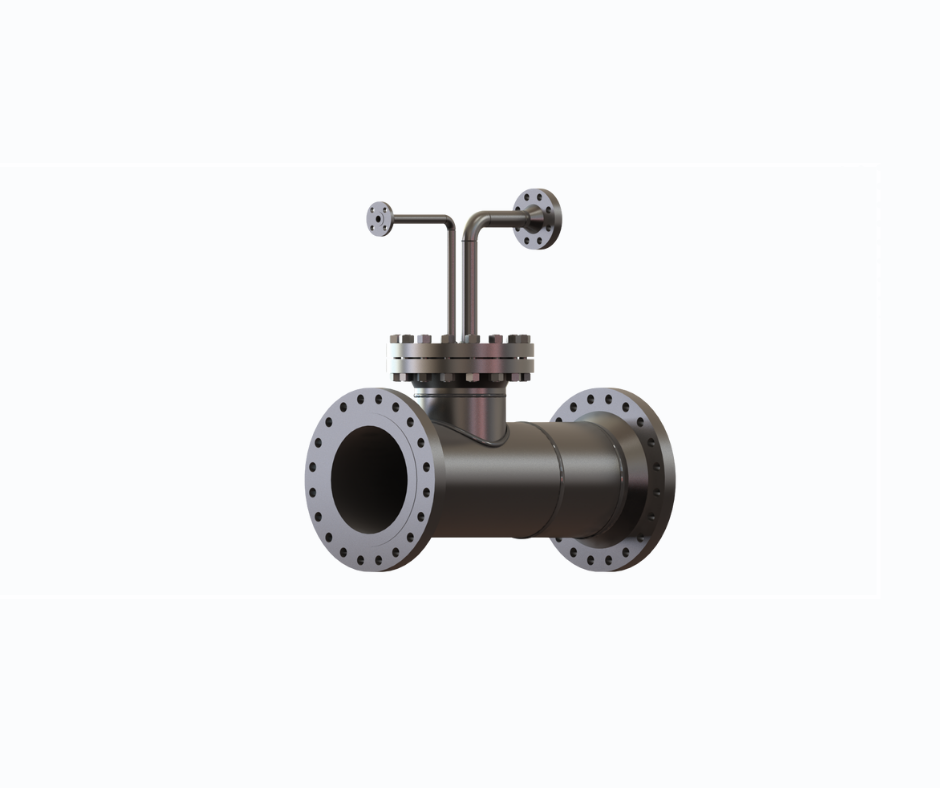
Introduction
In many industrial processes, steam plays a critical role in transferring heat efficiently. However, not all steam is equally effective. While superheated steam is ideal for transportation, it is less efficient for heat transfer applications. This is where desuperheaters become essential. Desuperheaters help convert superheated steam into saturated steam, significantly improving thermal efficiency, process control, and equipment performance. In this article, we’ll explore how desuperheaters work and why they are vital for modern industrial systems.
What Is Steam Efficiency in Heat Transfer?
Steam efficiency refers to how effectively steam transfers heat to a process.
- Superheated steam: Contains excess heat but transfers it poorly
- Saturated steam: Releases latent heat efficiently during condensation
For most industrial heating applications, saturated steam is far more effective, making temperature control crucial.
Why Superheated Steam Reduces Efficiency
Although superheated steam is commonly used for distribution because it prevents condensation loss, it presents challenges:
- Lower heat transfer coefficient
- Delayed condensation
- Inconsistent heating performance
- Risk of overheating equipment
As a result, industries must cool the steam before using it in heat exchangers or processing units.
How Desuperheaters Work
A desuperheater reduces steam temperature by injecting finely atomized water into the steam flow.
Step-by-step process:
- Superheated steam enters the desuperheater
- Cooling water is sprayed through specialized nozzles
- Water droplets absorb excess heat
- Droplets evaporate, lowering steam temperature
- Steam reaches near-saturated condition
This process ensures efficient heat exchange and stable process conditions.
Key Ways Desuperheaters Improve Steam Efficiency
1. Enhancing Heat Transfer Performance
By converting superheated steam into saturated steam, desuperheaters enable faster and more effective heat transfer. This improves overall system productivity.
2. Precise Temperature Control
Modern desuperheaters use advanced nozzle designs to maintain accurate outlet temperatures. This is crucial for sensitive industrial processes like chemical reactions and distillation.
3. Reducing Energy Waste
Excess heat in superheated steam often goes unused. Desuperheaters recover this energy by bringing steam to the optimal temperature range, reducing energy loss.
4. Protecting Equipment
High-temperature steam can damage pipelines, valves, and heat exchangers. Desuperheaters prevent overheating, extending equipment lifespan and reducing maintenance costs.
5. Improving Process Consistency
Stable steam temperature ensures uniform heating, leading to better product quality and fewer process variations.
Types of Desuperheaters Used in Industry
Spray-Type Desuperheaters
- Use direct water injection
- Common in general industrial applications
- Simple and cost-effective
Venturi Desuperheaters
- Utilize pressure drop and high steam velocity
- Provide excellent mixing and atomization
- Suitable for varying load conditions
Surface Desuperheaters
- Indirect cooling without mixing water and steam
- Used where contamination must be avoided
Industrial Applications
Desuperheaters are widely used across industries:
- Power Plants: Improve turbine efficiency and control steam conditions
- Oil & Gas: Used in refining and distillation processes
- Chemical Industry: Essential for controlled reactions and drying
- Pulp & Paper: Supports evaporation and crystallization processes
Advantages of Using Desuperheaters
- No moving parts → low maintenance
- No chemicals or refrigerants required
- Lower operating and installation costs
- Easy to retrofit into existing systems
- Durable construction using high-grade materials
- Reliable and consistent performance
Best Practices for Optimal Performance
To maximize efficiency, consider the following:
- Maintain proper water pressure (typically higher than steam pressure)
- Ensure uniform water atomization
- Select the right nozzle design and size
- Regularly inspect for wear and scaling
- Match desuperheater design with process requirements
Conclusion
Desuperheaters play a crucial role in improving steam efficiency by converting superheated steam into its most effective form saturated steam. By enhancing heat transfer, reducing energy waste, and protecting equipment, they are indispensable in modern industrial operations. For industries aiming to optimize performance and reduce costs, investing in the right desuperheater system is a smart and strategic decision. To achieve the best results, it’s important to partner with an experienced and reliable solution provider like Croll Reynolds. With advanced designs, customized nozzle configurations, and proven expertise across industries, they deliver desuperheaters that ensure precise temperature control and long-term efficiency. Ready to optimize your steam system? Explore high-performance desuperheater solutions from Croll Reynolds and take the next step toward improved efficiency, reduced operational costs, and enhanced process reliability.